Who Pays for Office Pantry Snacks?
The company pays. Your team pays nothing.
Most pantry websites will not put that in writing. No card reader. No change jar. No envelope taped to the wall. Someone takes a bag of almonds at 3pm and walks away.
Here is how pantry service works.
The two things you're paying for
Product. Snacks, drinks, coffee, tea, water, fresh food. You are billed for what your team takes off the shelf, so you never pay for a package negotiated in advance. This is the part that moves month to month.
Service. Shelving and coolers, delivery, stocking, rotation, pulling anything past date, and tuning the mix as we learn what your team prefers. That work is ours.
The result is a number you can plan around and a breakroom nobody on your payroll has to manage. No more warehouse-store runs. No one pushing a cart through Costco on a Friday and filing the receipt.
What we stock
Whatever fits your team and your budget. A typical Colorado program looks like this.
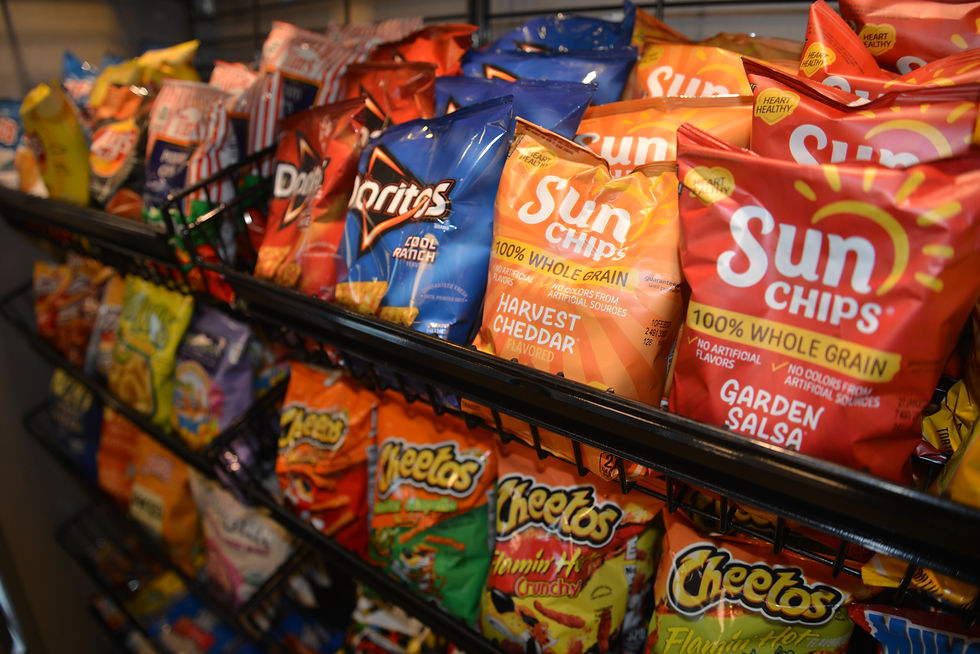
Snacks. Bars, nuts, chips, crackers, jerky, dried fruit, cookies, candy. We weight the mix toward familiar favorites and add plenty of better-for-you options.
Drinks. Sparkling and still water, sodas, energy drinks, juice, kombucha, tea. Drinks move faster than most people expect.
Coffee and tea. Usually folded into the pantry rather than run separately. If you already have office coffee with us, it consolidates onto one invoice.
Fresh food. This is where we do something most providers in Colorado cannot. We run Peak Kitchen ourselves, so fresh items arrive daily from a local kitchen rather than a national distributor. That means real breakfast and lunch options that still hold up at two in the afternoon. Worth asking about early, because it changes what your pantry can be.
Special diets. Gluten-free, vegan, keto, nut-free, halal, kosher. Tell us what your team needs and it goes on the list. This is a standard request now.
How restocking works
We set the delivery schedule around what your team consumes. Busy offices in downtown Denver often take several deliveries a week. A smaller team in Colorado Springs may need one.
Item-level sales data is what makes that work. Without it you get the familiar problem: the same three snacks gone by Wednesday while a full shelf sits untouched. We see that pattern in the data and correct the mix before anyone on your team has to ask.
The goal is a pantry that is never empty and never overstocked. Empty reads as a broken benefit. Overstocked is money going out of date on a shelf.
Why it works
Everyone uses it. Plenty of benefits go untouched. Everyone eats.
It lands on day one. People notice a stocked pantry the morning it appears. Few purchases register that quickly.
It supports attendance. If getting people into the office is a priority, food is inexpensive next to square footage and the effect is immediate.
It removes a task. Your office manager gets those hours back.
What it takes to start
Space. Shelving, a cooler, some counter. Most offices already have a spot, and no remodel is needed.
A budget range and a headcount. Not exact figures. A range and a rough count of people on site is enough to build your first product list.
One decision-maker. Someone who can approve the list and adjust it later.
About a month to calibrate. The opening list is an informed estimate. The data sharpens it quickly.
We stock offices across Denver, Aurora, Colorado Springs, Pueblo and the wider Front Range. We also run hotel pantry programs for guest-facing spaces, plus micro markets and vending if you would rather your team paid per item.
Build your product list
Send a floor plan and a budget range. We will come back with a starting product list built for your team, so you have something concrete to review.